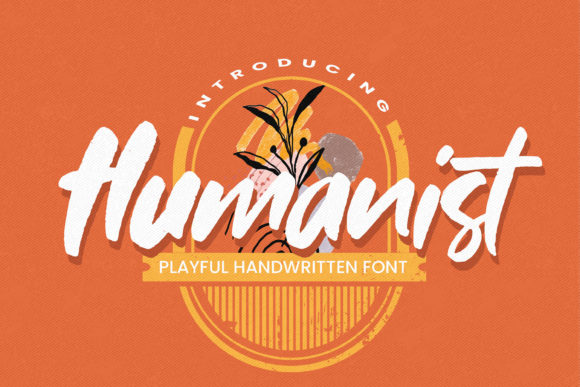
Humanist: A Classy Handwritten Font
There’s something about the way Humanist flows across a page that feels like a warm hug. I was working on a set of candle labels when I first fell in love with it. The soft curves and gentle strokes brought a sense of authenticity to my handmade products, making them feel more personal and crafted.
Humanist is a handwritten font that carries a natural, organic feel. It’s not too formal, but it still has a refined edge. Perfect for adding a touch of elegance to any project, it works well with both modern and rustic designs. Whether I’m creating greeting cards or designing a farmhouse sign, Humanist brings a unique personality to the text.
Using Humanist in Handmade Projects
One of my favorite uses for Humanist is on printable wall art. I’ve designed seasonal pieces that feature the font in a simple, elegant layout. The font’s subtle variations make each piece feel one-of-a-kind, which is exactly what I want for my digital downloads. It adds a handcrafted look without being too busy or hard to read.
I also use it on product tags and packaging. When I create boutique-style boxes for my handmade soaps, I add a label with the product name in Humanist. It gives the packaging a polished yet approachable look that customers love. The font’s readability makes it perfect for small labels where space is limited.
For invitations, Humanist is a go-to choice. I’ve used it for birthday cards and wedding stationery, and it always looks great. The font’s style complements both traditional and contemporary designs. I often pair it with a clean sans serif for contrast, which helps keep the design balanced while still maintaining a creative flair.
Humanist in Digital and Physical Designs
When I’m designing digital printables, like planner pages or seasonal templates, Humanist adds a nice touch of character. It works well for headers and titles, giving the design a personal and artistic feel. I’ve also used it for social media graphics, where its visual appeal stands out without overwhelming the other elements.
On physical items like mugs and tote bags, Humanist can be a standout element. I’ve seen it used on custom-designed shirts, where it adds a stylish, handwritten look. The font’s versatility means it can work on both large and small surfaces, as long as the size is appropriate for legibility.
When using Humanist on cutting machines like Cricut or Silhouette, I make sure to test it at different sizes. It holds up well on stickers and small labels, but I avoid using it for long paragraphs. Short phrases, names, or decorative text are where it shines best.
Pairing Humanist with Other Fonts
Font pairing is key when using Humanist in a design. I often pair it with a simple serif or sans serif font to balance the look. For example, using a clean sans serif for body text while keeping Humanist for headings creates a professional and cohesive design.
If I’m working on a logo or brand identity, I might pair Humanist with a bold display font for emphasis. This combination allows the font to stand out while still maintaining a sense of warmth and creativity. It’s important to choose complementary fonts that enhance the overall aesthetic without clashing.
When working with multilingual content, I check if Humanist supports the necessary characters. Most premium fonts include a wide range of options, but it’s always good to verify before finalizing a design. This ensures that the font works across all languages and scripts needed for the project.
Considerations for Commercial Use
As a handmade seller, I always check the licensing terms for any font I use. Humanist includes commercial license options, which is essential for selling products like printed cards, merchandise, or digital downloads. It’s important to understand what the license allows, especially when creating items for resale.
I also look at the file formats included with the font. Humanist usually comes in common formats like OTF and TTF, which are compatible with most design software. This makes it easy to integrate into my workflow, whether I’m using Adobe Illustrator, Photoshop, or Canva.
For those who want to use Humanist in their shop, I recommend exploring the different styles and weights available. Some versions include ligatures and swashes, which can add extra flair to designs. These details can make a big difference in the final look of a product, especially when creating custom designs for clients.
Whether you’re designing a greeting card, a wedding invitation, or a seasonal sign, Humanist offers a versatile and stylish option. Its charm and readability make it a valuable addition to any designer’s toolkit, especially for those who value a handmade, authentic feel in their work.
From candle labels to digital printables, Humanist has proven to be a reliable and beautiful font that enhances the creative process. It’s not just a typeface—it’s a tool that helps bring ideas to life with a personal touch.