Handlettering Font for Web Design
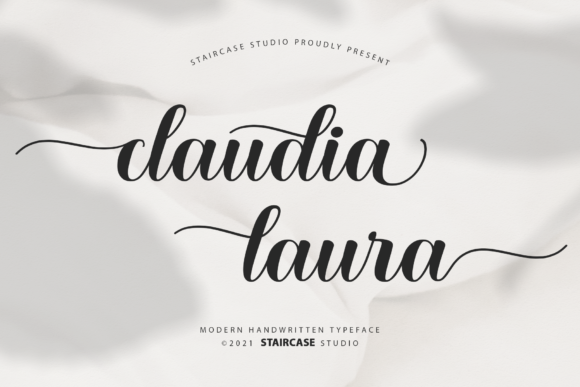
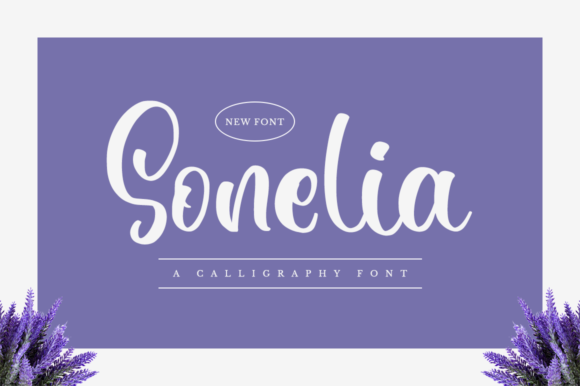
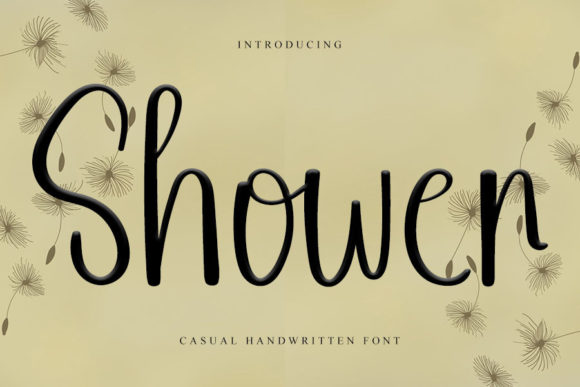
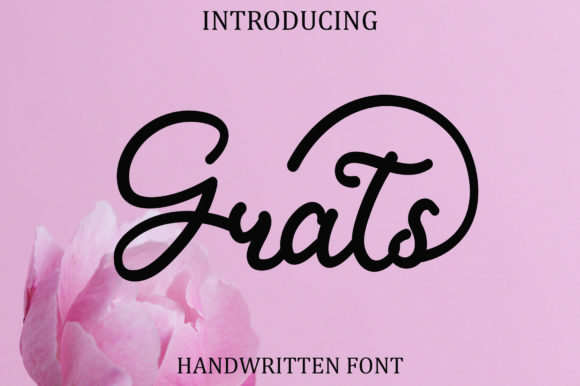
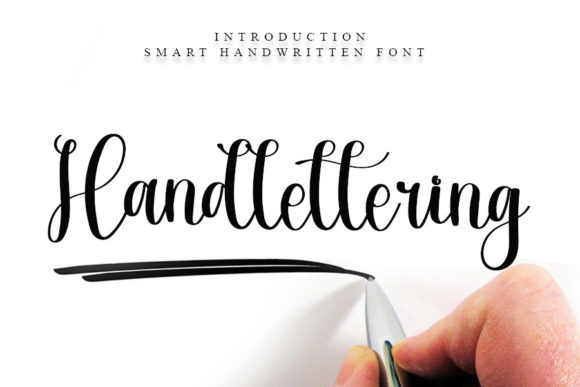
Handlettering is a soft, elegant handwritten font that brings a personal touch to digital design. Its dainty strokes and joyful character make it perfect for web projects that need a romantic or personalized feel. As a script font, it stands out in headers, logos, and decorative elements while maintaining a level of readability suitable for modern web layouts.
Web designers often look for fonts that can enhance visual hierarchy without sacrificing clarity. Handlettering fits this need by offering a unique personality that works well in hero sections, call-to-action buttons, and branding elements. Its delicate structure allows it to shine in small text sizes when used thoughtfully, making it ideal for subtle accents or short phrases on landing pages and online stores.
Using Handlettering in Digital Layouts
When incorporating Handlettering into a website, consider its role in the overall design system. It excels as a display font for headlines, logos, and section titles where it can add a custom, handcrafted feel. For example, a creative portfolio site might use Handlettering in the main heading to create an inviting, artistic tone. A boutique online store could use it in banners or product tags to reinforce a warm, personal brand identity.
In responsive designs, Handlettering performs best at larger sizes. On mobile screens, it's important to ensure that the font remains legible against dark or light backgrounds. Using it on buttons or CTA areas requires careful spacing and contrast to maintain readability. When placed over images or textures, it benefits from a clean background or subtle drop shadow to stand out clearly.
Handlettering and Brand Tone
The personality of Handlettering aligns well with brands that want to communicate warmth, creativity, or intimacy. It’s particularly effective for wedding-related sites, coaching services, or lifestyle blogs where a human touch is essential. By using this font in key visual elements, designers can reinforce a brand’s emotional connection with its audience.
However, Handlettering should be used sparingly in body copy or long-form content. Its intricate details can become difficult to read when scaled down, especially on smaller devices. Instead, pair it with a simple sans serif or serif font for body text to maintain balance and usability across the site.
Font Pairing and Design Consistency
Pairing Handlettering with other fonts helps create a cohesive visual language. A common approach is to combine it with a clean, modern sans serif for body text. This contrast highlights the elegance of the script font while ensuring that the overall design remains professional and easy to navigate.
For editorial-style websites or blog headers, pairing Handlettering with a serif font can add a refined, classic feel. In more contemporary contexts, combining it with a minimalist sans serif reinforces a sleek, modern aesthetic. The key is to maintain a clear visual hierarchy so that the most important information remains prominent and accessible.
Practical Applications for Web Designers
Handlettering is ideal for a variety of web projects. A course sales page might use it in the headline to draw attention and evoke a sense of personal guidance. A digital brand kit could incorporate it in logo design, social media graphics, and email templates to create a consistent, recognizable identity.
For online stores, Handlettering can elevate product titles, banners, and promotional messages. It adds a handmade quality that resonates with customers looking for unique, curated experiences. When used in conjunction with high-quality visuals, it enhances the overall aesthetic without overwhelming the user.
Considerations for Commercial Use
When using Handlettering in commercial projects, check the licensing terms to ensure compliance. Most premium fonts allow for web use through webfont formats like WOFF or WOFF2, which are optimized for performance and cross-browser compatibility. Always verify that the font includes all necessary styles, weights, and language support for your target audience.
For designers working on client projects or digital templates, having access to multiple font variations ensures flexibility. Whether you're creating a landing page, app interface, or marketing asset, Handlettering provides a versatile tool for adding character and personality to your work.
Enhancing User Engagement with Handlettering
Typography plays a crucial role in how users interact with a website. Handlettering can help guide attention and create a more engaging experience when used effectively. Its natural flow and organic shape encourage a sense of movement and fluidity, making it ideal for creative or expressive designs.
By strategically placing Handlettering in key areas, designers can improve scanning behavior and reinforce brand trust. Users are more likely to connect with a site that feels authentic and thoughtfully designed. Whether it's a wedding invitation, a coaching service, or a digital product, Handlettering offers a way to express individuality and style in a digital space.